Skip to content

Teach the robot your taste.

I set up your look and your rules so any AI agent follows them, and check its work before anyone sees it. Plus automation, and private AI for data that has to stay in-house.

Interactive ASCII agent workflow.

The saving moved. It didn't disappear.

The last 30%

AI gets the work to about 70%. The rest lands on your most senior person, every week.

A style guide no tool reads

Your brand is a PDF and whatever one person remembers. An agent reads neither.

Data that can't leave

A GDPR review or a customer's security questionnaire stops the deal, because the data goes to someone else's model.

Pick what you need.

Take one part or all of them.
If someone keeps fixing your AI's work, start with the first.

ASCII drawing of each part of the AI Systems work.

Your look and rules, the thinking behind them, and scripts for the routine steps, set up so any agent follows them. Every piece it makes is checked in several steps. If you have no design system yet, I build it first, as part of Design & Brand Systems.

Already running.

One is in daily use at AMPECO. The other is how an AI agent built this site.
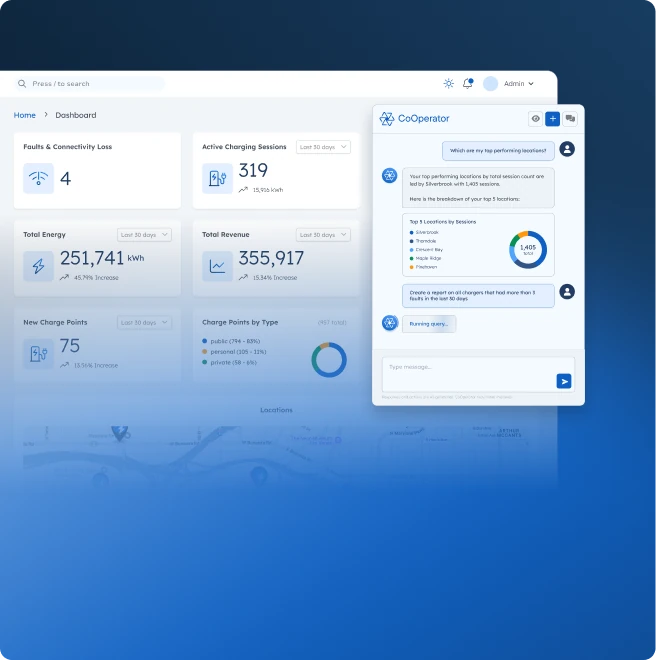
  • An AI design engine built on the company's design system.

    5×output on design-inclusive tasks

  • An AI agent working inside an AI-ready design system.

    18pages, built by an AI agent

How it runs.

Built on the tools you already run, and checked before anyone relies on it.

  1. Call

    We have a short call and you show me what your AI makes today, and who spends the week fixing it.


    • 20 minutes, no deck needed
    • Who fixes the output, and for how many hours
    • Which tools your team uses now
  2. Proposal

    I send you a one-page proposal: the job, the standard it has to meet, the price and the timeline, agreed before work starts.


    • Scope, price, timeline and what's left out, on one page
    • What good output looks like, written down
    • Priced by your size and how complex it is
  3. System

    I put your look, your rules and everything around them where Claude, Cursor and your other agents read them before they start.


    • Rules, the thinking behind them, and where to look for ideas
    • How far the AI may stretch on each kind of work
    • Scripts, so the model only thinks about the design
  4. Checks

    Scripts catch drift and test the work against your standards, then review agents find what's off and fix it, before your people see it.


    • Drift caught by scripts
    • Tested against your standards
    • Review agents that find and fix
  5. Handoff

    At the handoff you get the system, the reasoning behind it and a runbook, and your team runs it, or I do, monthly.


    • Docs and a runbook
    • Owner access from day one
    • Keep me monthly, or own it outright

Start with a call.

In 20 minutes you'll know if I'm the right person, and if I'm not, who is.

  • You talk to me, never to a sales team
  • You know the price before any work starts
  • EU working hours, and US East mornings

Asked before hiring the robots.

Something else? Ask it

We already use Claude. What are we paying for?
The system around it. Your team has the same models I do. The difference is a system that knows your look and your components, and checks that catch whatever drifts.
We tried AI already and it flopped. Why would this be different?
Usually the AI was spread over a whole process instead of owning one task, or nobody wrote down what good output looks like. Both show up on the first call.
How is this different from an AI developer?
On a pure backend problem it isn't, and you should hire one. When customers see the output, a developer can tell you it ran. I can tell you whether it's any good.
Do we need the most expensive model?
Rarely. Scripts take the routine steps, so the model only has the design to think about. A cheaper one can do that, even one on your own machines.
Cloud model or local model?
Whichever the data and the bill allow. Local wins when the data legally can't leave, or when a customer's security review asks for it. It also wins when your volume makes the cloud bill bigger than running a model yourself. For most work, cloud is fine, and I'll say so.
Who maintains it after handoff?
Your team, with the docs and the runbook, or me, monthly. The docs are the same either way.

The other two.

Most problems touch more than one, and the services run side by side.

  • Interactive ASCII letterform drafting board.

    Design & Brand Systems

    Identity, product UI and design systems, with your taste written down so your team and your AI tools can follow it.


    • Brand and Identity system
    • Product UI and websites
    • Motion and interaction
    • Design system
    • Print and graphics
    • Figma to code
    See what's included
  • Interactive ASCII risk radar.

    Advisory

    A written verdict on the plan, the quote or the build, before you spend money on it.


    • Second opinion
    • Output teardown
    • Hire or build
    • Launch check
    • Deep read
    • Ongoing advisor
    See what's included

Bring one thing your AI made.

The one someone had to fix. On the call, we'll see whether a system would have caught it.

I'm Simon Martin, and I read every message myself. Replies usually come within a day.